
A field guide to natural variation
One familiar neighbour.
Many expressions.
Five educational profiles, one species. Follow the details that make every encounter worth a closer look.
05 PROFILES · SCIURUS CAROLINENSIS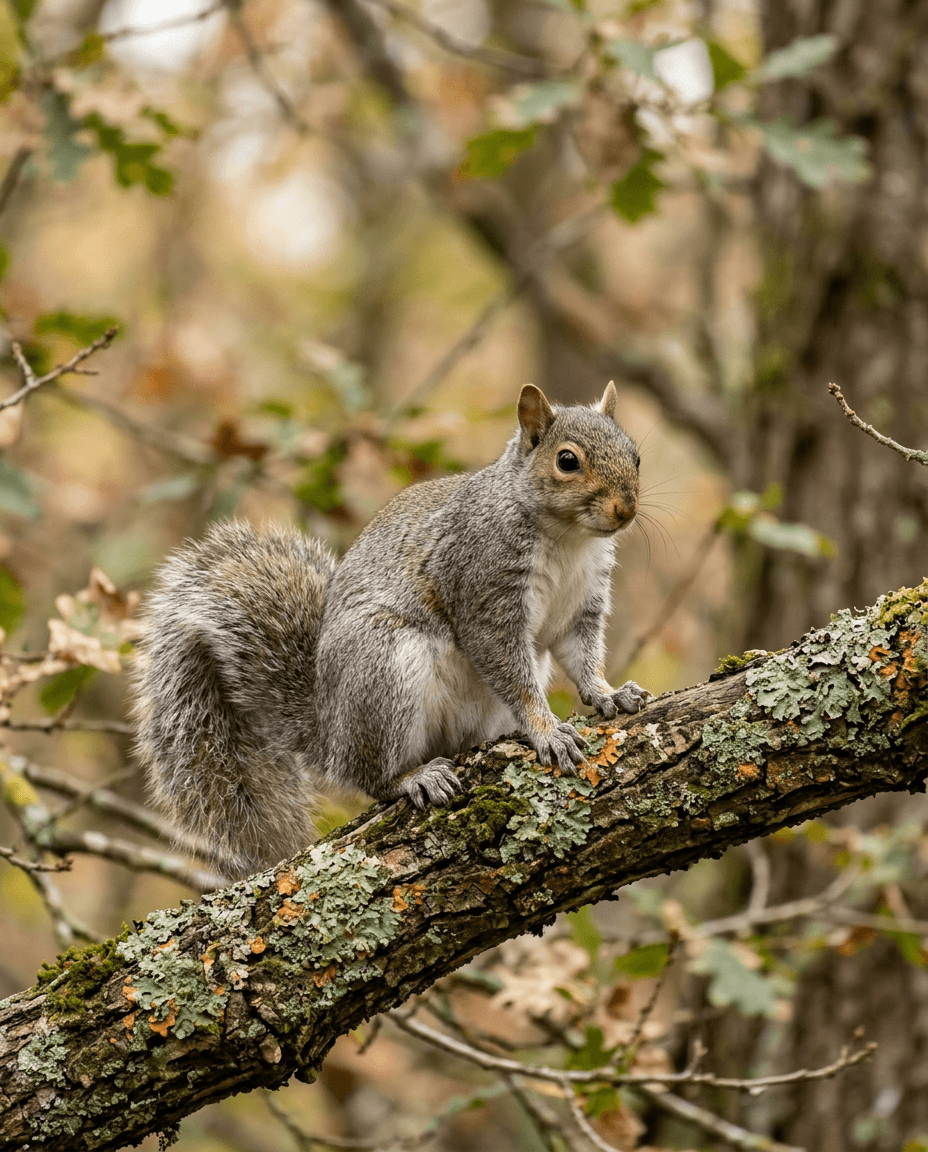 01 / 05Standard greyThe familiar woodland nativeThe classic silver-grey coat is the most widely recognized appearance of the Eastern grey squirrel.Read this field note
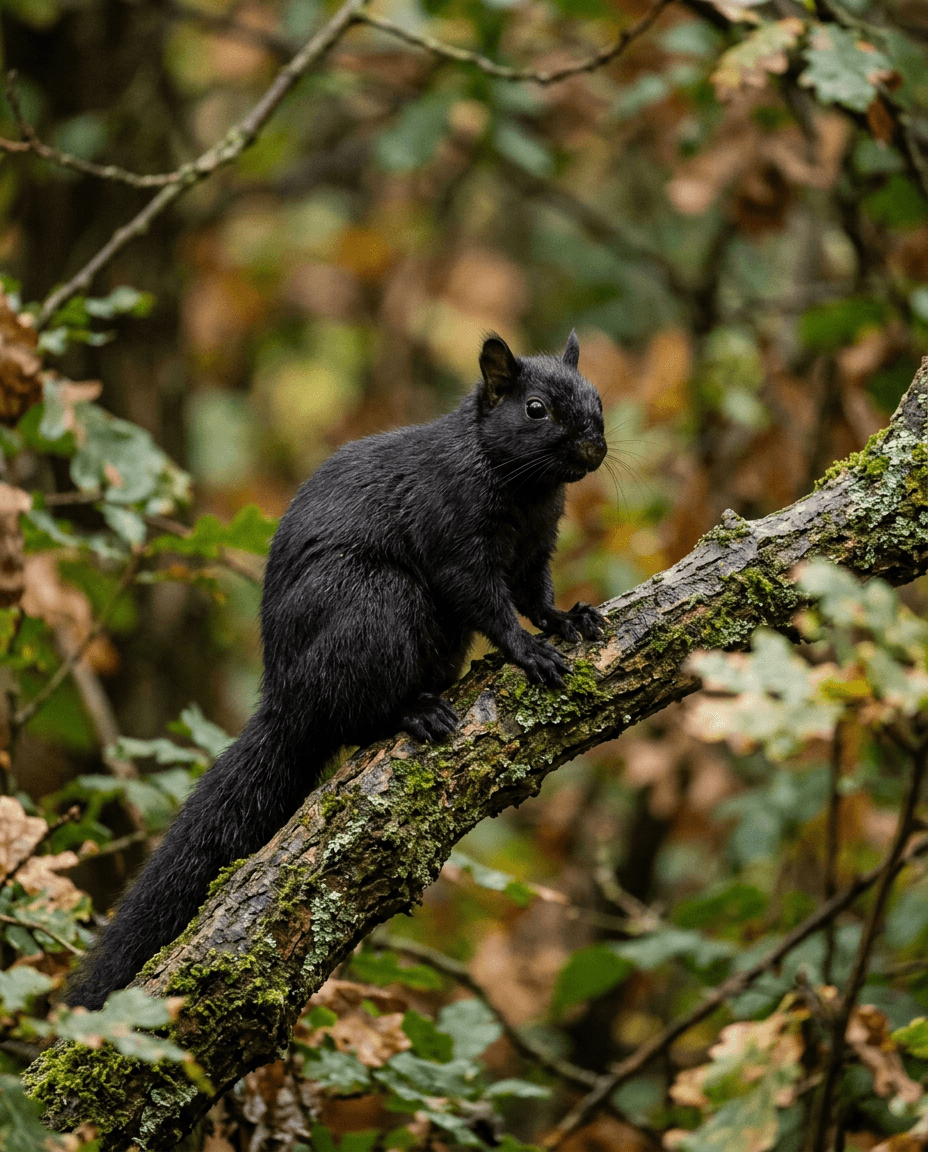 02 / 05Black melanisticA striking dark coatA naturally occurring dark colour morph of the Eastern grey squirrel, often called melanistic.Read this field note
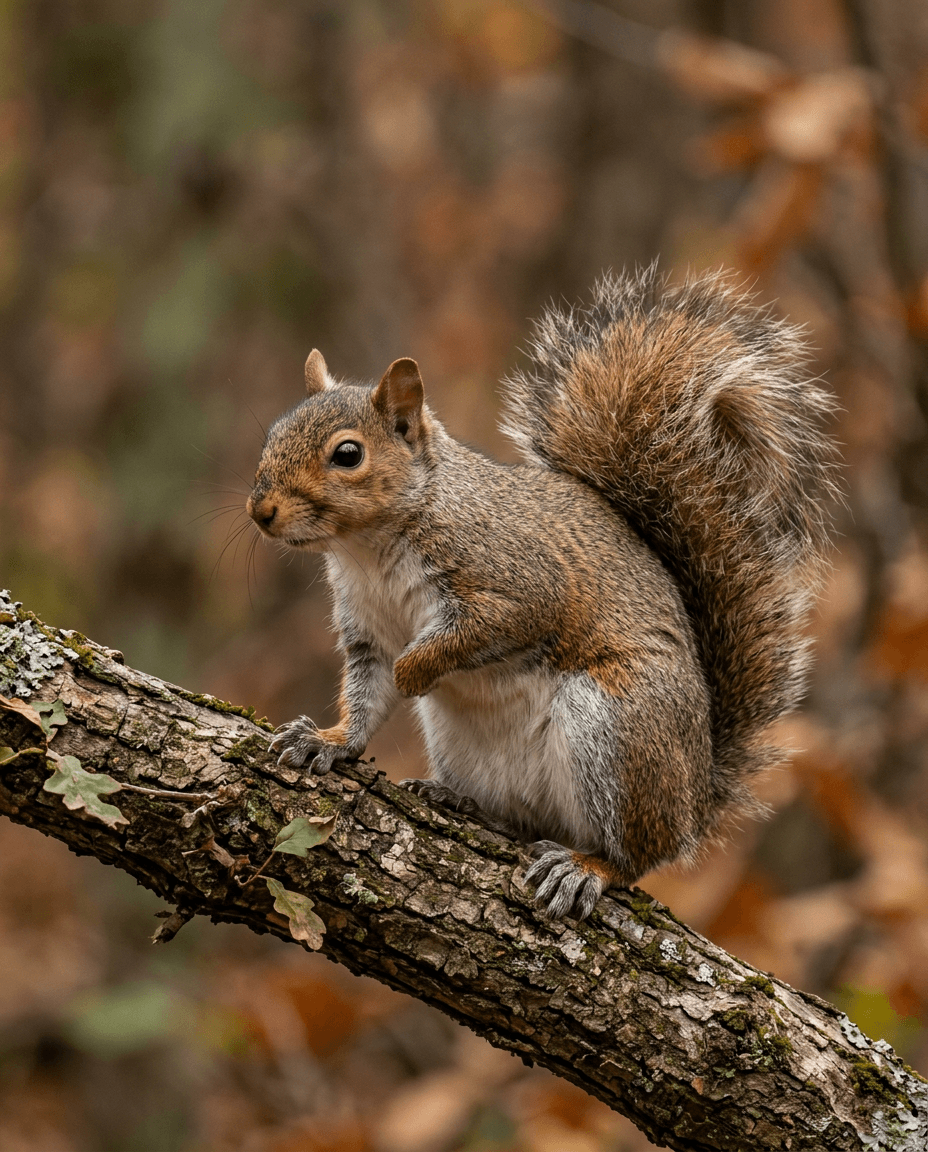 03 / 05Brown intermediateWarm tones in the canopySome Eastern grey squirrels show warmer brown or dark intermediate tones within their naturally variable coats.Read this field note
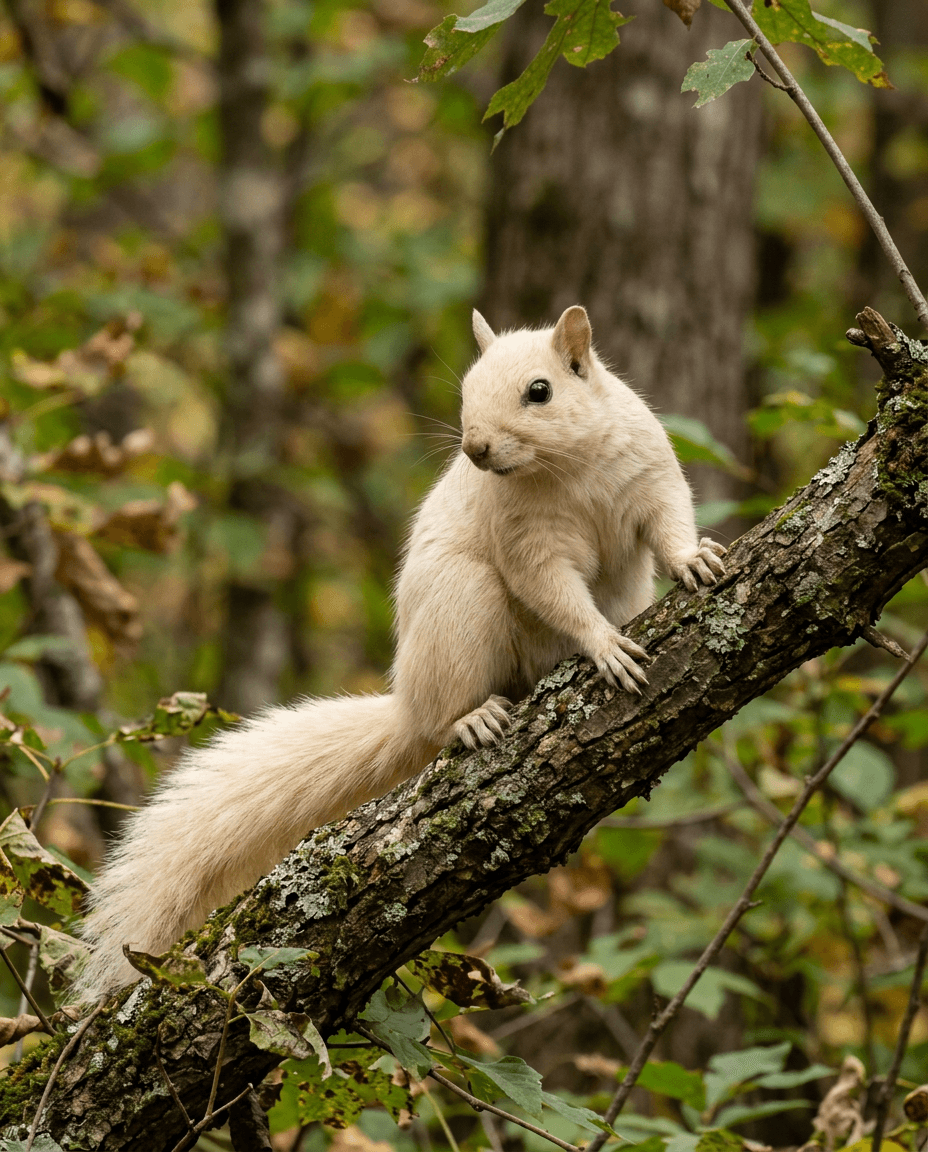 04 / 05White leucisticPale coat, dark eyesLeucism reduces pigmentation in the coat while the eyes retain their usual colour.Read this field note
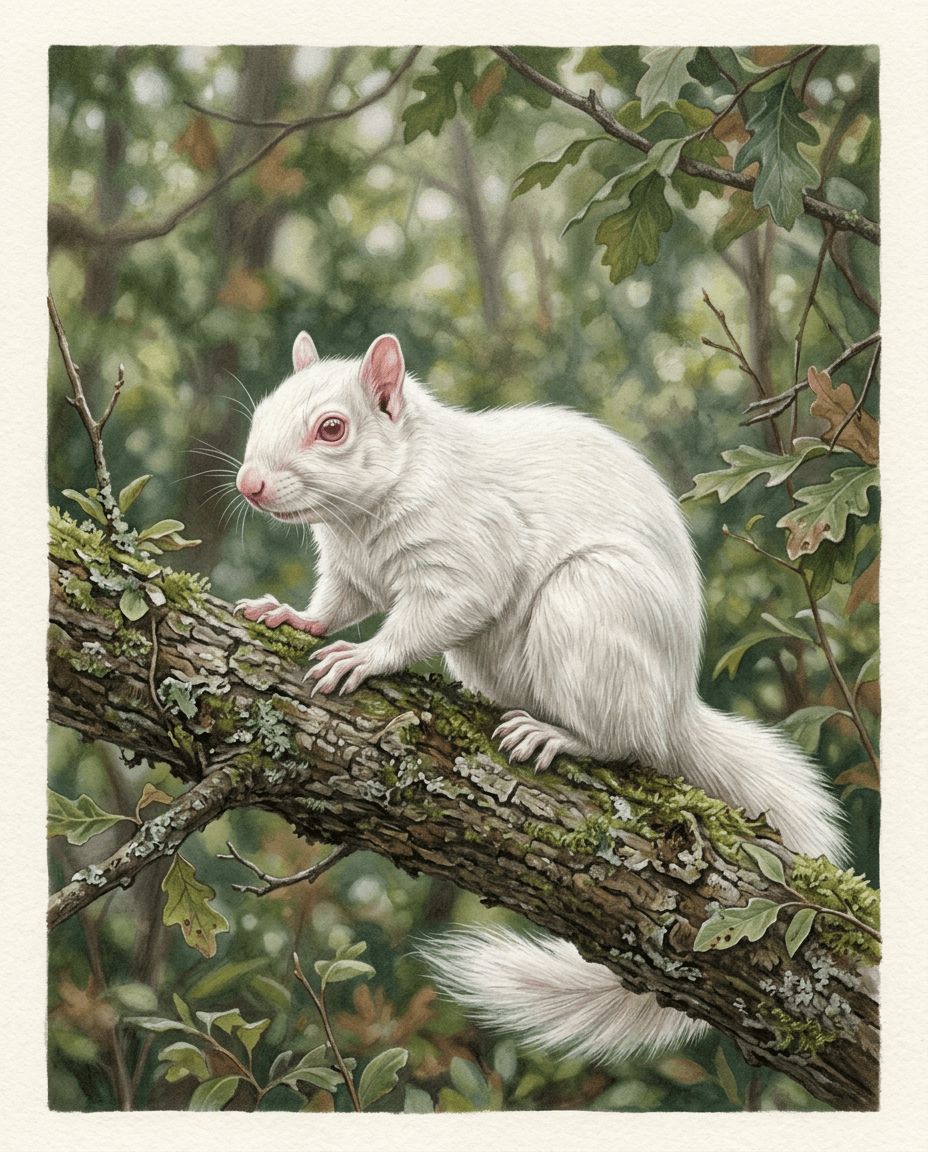 05 / 05AlbinoA rare pigment variationAlbinism is a rare inherited condition that greatly reduces melanin production.Read this field note
Keep exploring
Know the animal.
Respect its world.
Learn about habitats, seasonal behaviour, and wildlife-friendly ways to observe your local neighbours.